
அதிகாரப் பகிர்வு…. கவிதை…. Pax ரவிச்சந்திரா
இனவாதத்தின் கொடுங் காங்கை,
ஈழத்தை சுட்டெரித்து ஓய்ந்த நேரம்,
மண்ணின் தணல் ஆறவில்லை
மனக்காயங்களோ இரணமான நிலை
காணாமல் ஆக்கப்பட்டவர்க்காய்
தாய்க்குலத்தின் கண்ணீர்த் தவங்கள்
தமிழ் அரசியல் கைதிகளின்
சிறைக் கதவுகள் மூடிய நிலை
காடு மண்டி, கண்ணி வெடிக்காடாய்
கழனிகள் பட்டுப் போன
முறிந்த பனையும், தென்னையும்
நாளும் புலம் பெயரும் அகதிகள்
பாழடைந்த கோயிலும், மனைகளும்
வெளால் குடியிருப்பு
பட்டுப்போன வாழ்வில்
நாளும் கண்ணீரின் படையெடுப்பு
குடும்ப ஆட்சி கொள்ளையிட்ட தேசத்தை
வாட்டிடும் கொரானா ,கடன் பளு வானைத் தொட
எண்ணெய்க்கும், எரிவாயுவிற்கும் தட்டுப்பாடு
ஏழைகள் வாழ்வு எரிநரகான வெட்கக்கேடு
நாட்டை விட்டு ஓடிய ஜனாதிபதி
தோல்வி கண்டு மண்ணைக் கவ்வியவரோ
நாட்டின் புதிய அதிபதி
ஜனநாயகத்திற்கோ சாவுமணி
இனப்பிரச்சனையைத் தீர்த்து, நாட்டை
வங்கிறோத்து நிலையிலிருந்து மீட்டிட
அதிகாரப் பகிர்வை வற்புறுத்திய சர்வதேசம்
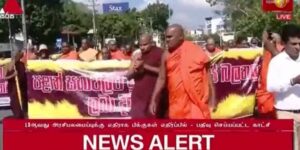
இனவாதம் கக்கி சீறி எழுந்த மகாசங்கம்
சீவர ஆடை செந்தணலாய் எரிய
செப்பிடும் மொழிகளில் பௌத்த தர்மம் நலிய
பேரினவாத அரசை அச்சுறுத்தும் தேரர்கள்-அன்பு
கருணை அகிம்சை மறந்த அங்குலிமாலாக்கள்?
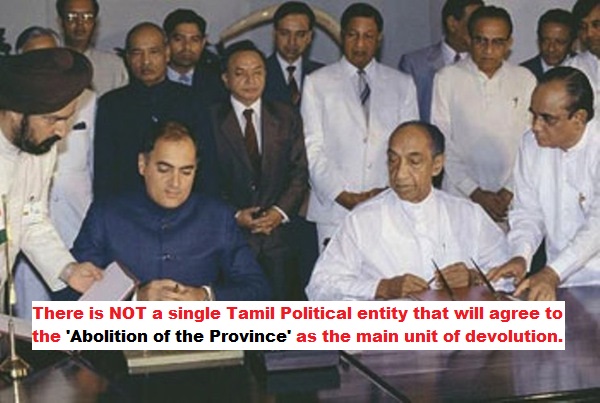
முப்பத்தைந்து ஆண்டுகளின் பின்னர்-பதின் மூன்றாம்
திருத்தத்திற்கு பச்சை கொடி காட்டிய ஜனாதிபதி
சீவர ஆடை சிவப்பு கொடியாக அதிகாரப் பகிர்விற்கு
சாவு மணி அடித்து, அச்சுறுத்தும் பீடாதிபதிகள்
நியாயமற்ற வரிசு;சுமையை எதிர்த்து-நாளும்
தொழிற்சங்கப் போராட்டங்கள்
வாழ்வாதாரத்தை இழந்த ஏழைகளோ
வறுமைக் கடலில் மூழ்கிடும் அவலங்கள்
இனவாதம் பேசி மக்களை ஏமாற்றி
குடும்ப ஆட்சியால் நாட்டைக் கொள்ளையிட்ட
அரசியல் வாதிகளோ கோடிஸ்வரர்கள்
வாக்களித்த மக்களோ குசேலர்கள்
நீதிக்காய் குரல் கொடுக்காத
மகா சங்கம், அதிகாரப் பகிர்வை
எதிர்த்து போர்க்கொடி ஏந்துவதோ
பௌத்த தர்மத்திற்கே பெரும் பங்கம்?
எம்மவர் சிந்திய குருதியும் வீணோ-தமிழ்
மறவர் போராட்டமும் விழலுக்கிறைத்த நீரோ?
எந்தையும், தாயும் மகிழ்ந்த உலாவிய
பூமி என்றும் அடிமைதானோ?
வெளிறிய சீவர ஆடையைச் சிவப்பாக்கிட
செந்தமிழன் இரத்தம் கேட்கும் பௌத்தம்
மகா சங்கத்தை ஆளும் தேவதத்தனின் சப்தம்
ஆட்சியமைக்க பேரினவாதமே பிரம்மாஸ்திரம்
வெள்ளரசு மரத்தில்
கழுகுகளின் கூட்டம்-முகாம்களிலோ
அகதிகளின் அழுகைச் சப்தம்
முள்ளிவாய்க்காலில் காயாத இரத்தம்
ஈழவர் உரிமைப் போராட்டம்
உயிர்ப்பலி கொடுத்தும் தீரவில்லை,
பகிர்ந்து வாழ பௌத்த தேரர்களுக்கும்,
பேரினவாதிகளுக்கும் இன்றும் மனமில்லை
பகிரப்படாத அதிகாரம் சர்வாதிகாரம்,
எதேச்சதிகாரம் பேரினவாதத்தின் அங்கம்?
ஓதும் தம்மத்தை ஒழுகாத சங்கம்
பௌத்த தர்மத்திற்கே களங்கம்;
சீவர ஆடைக்குள்ளும்; நீறு பூத்த நெருப்பாய்
இனவாதம், பெருமான் புத்தரின்
தம்மத்தை நிந்திக்கும் மகா சங்கம்
குருடனுக்கு குருடன் வழிகாட்டும் பங்கம்
தமிழன் உரிமையை ஆகுதியாக்கி-
மகா சங்கம் நூற்கும் பேரினவாத யாகம்
ஒற்றுமை, நீதி , அமைதி, சமத்துவம்-
இனவாத பௌத்தம் அறியாத பாவம்?
அமைதி ஒற்றுமை தழைக்க ஈழவரே
புதிய மகிந்த, சங்கமித்திரை நாமே
அகிம்சையே பாதை-அன்பே நீதி
உண்மையே தெய்வம்
பகைமையைப் பகைமையால்
தணிக்க முடியாது பகைமையை
அன்பினாலே தணிக்க முடியும்
என்றுமுள்ள தர்மம் இதுவே-
புத்தம் சரணம் கச்சாமி
தம்மம் சரணம் கச்சாமி
சங்கம் சரணம் கச்சாமி
இன்பமே சூழ்க-எல்லோரும் நலமே வாழ்க
எல்லாப் புகழும் இறைவனுக்கே
Pax Ravichandra

Here’s a clear and contextual explanation of why many Buddhist monks in Sri Lanka oppose the 13th Amendment, with key reasons backed by credible sources:
What Is the 13th Amendment?
The 13th Amendment, introduced in 1987 through the Indo-Sri Lanka Accord, aimed to address ethnic tensions by devolving power to provincial councils—covering areas like education, agriculture, housing, land, and police—while also recognizing Tamil and English as official languages alongside Sinhala (The Hindu, Sri Lanka Brief).
Why Some Buddhist Monks Oppose It
1. Threat to Sri Lanka’s Unitary Sovereignty
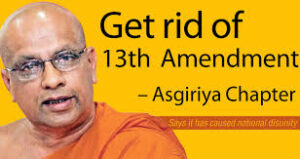
Many monks believe devolving powers, especially land and police authority, could lead to fragmentation or even separatism of the Tamil-majority North and East provinces. They see this as a direct threat to national unity and sovereignty (Colombo Telegraph, ThePrint, Tamil Guardian, Sri Lanka Brief).
2. Undermining Buddhism’s “Foremost Place”
Some protests also emerged over constitutional language. Monks argue that provisions against religious discrimination might erode Article 9, which grants Buddhism a “foremost place” in the constitution. They see this as diluting Buddhism’s special constitutional role (Colombo Telegraph).
3. Perceived Foreign Imposition
The 13th Amendment is seen by some nationalist monks as an imposition on Sri Lanka by India—compromising the country’s independence and signaling undue external influence (Tamil Guardian, The Hindu, LankaWeb).
4. Historical Parallels Fuel Resistance
There is a long history of militant Buddhist clergy opposing power-sharing. For example, in 1958, monks pressured Prime Minister Bandaranaike to scrap the Bandaranaike–Chelvanayakam Pact, contributing to ethnic tensions and riots (Wikipedia). Past patterns inform present fears: devolving authority could repeat history’s traumas.
5. Saffron Veto and Nationalist Mobilization
More recently, certain monks have asserted what’s been termed a “saffron veto”—an ideological blockade—against the amendment’s implementation, warning that ignoring it could lead to nationwide unrest (LNW Lanka News Web). In 2023, monks even burned a copy of the 13th Amendment during protests outside parliament, citing threats to national integrity (Tamil Guardian, Sri Lanka Mirror).
A Local Perspective from Reddit
Some public discussion captures popular sentiment. One Sri Lankan participant summarized:
“This is literally […] a stepping stone to splitting the country.”
“Devolution doesn’t lead to separatism, it can bring together communities…”
(Reddit)
This highlights the divide: opposition sees devolution as dangerous; others view it as a reconciliation tool.
Summary Table
Issue Monks’ Concern
Unitary sovereignty Fear of secession, weakening central authority.
Buddhism’s status Devolution may impact Buddhism’s privileged constitutional position.
Foreign interference Viewed as an imposition stemming from India rather than domestic will.
Historical precedent Memories of past unrest inform present caution.
Religious-nationalist activism Monastic protest wielding strong cultural and emotional influence.
In essence, resistance from Buddhist monks revolves around fears of losing control—both constitutional and territorial—amid historic wounds, religious identity, and sovereignty concerns.
